21-12, 19-21, 14-21: The Scoreline That Exposed India's Doubles Depth Gap
**কোর উত্তর:** এশিয়ান Games ২০২৬-এর পুরুষ দ্বৈতের ডিফেন্ডিং চ্যাম্পিয়ন সাত্বিকসাইরাজ রাঙ্কিরেড্ডি ও চিরাগ শেট্টি প্রথম রাউন্ডে ২১-১২, ১৯-২১, ১৪-২১-এ থাইল্যান্ডের সুখফুন-তীরতসাকুলের কাছে হেরে বাদ পড়েছেন। ইভেন্টটি BWF র্যাঙ্কিং পয়েন্ট দেয় না, তাই ক্ষতি মূলত প্রেস্টিজ ও মোমেন্টামের। **মূল তথ্য:** - স্কোর: ২১-১২ (জয়), ১৯-২১, ১৪-২১ (হার); এশিয়ান Games ২০২৬ Badminton একক ইভেন্টের প্রথম দিন। - ভেন্যু: ইচিনোমিয়া সিটি মিউনিসিপাল জিমনেসিয়াম, জাপান — রিপোর্ট অনুযায়ী, স্বাধীন যাচাই প্রয়োজন। - সাত্বিক-চিরাগ ছিলেন ৪ নম্বর বাছাই; থাই জুটির "বিশ্ব র্যাঙ্কিং ৩৬" তথ্যটি Khel Now-এর। - একই দিনে ভারতের বাকি দুই দ্বৈত জুটি হারে: ২১-৯, ২১-৫ এবং ২১-১৪, ২১-১১। - ধ্রুব কাপিলা-তানিশা ক্রাস্তো Mixed Doublesে ২২-২০, ২৪-২২-এ জিতে পরের রাউন্ডে চীনের শীর্ষ বাছাইয়ের মুখোমুখি। **সূত্র:** Khel Now, এশিয়ান Games ২০২৬ Badminton ডে-১ রিক্যাপ; প্রকাশের তারিখ উল্লেখ নেই। ভেন্যু, তারিখ ও র্যাঙ্কিং তথ্য স্বাধীনভাবে যাচাই করা হয়নি, তাই cricsultan.com ক্রস-চেক এই মুহূর্তে প্রযোজ্য নয়। **সম্ভাব্য Next প্রশ্ন:** প্রশ্ন: সাত্বিক-চিরাগ কি Form হারিয়েছেন? উত্তর: এক ম্যাচের নমুনায় Form-ট্রেন্ড বলা যায় না; পরের দুই-তিন ইভেন্টে টানা আগে বাদ পড়লে তবেই স্পষ্ট হবে। প্রশ্ন: এই হার কি র্যাঙ্কিংয়ে প্রভাব ফেলবে? উত্তর: না, এশিয়ান Games BWF ওয়ার্ল্ড র্যাঙ্কিং পয়েন্ট দেয় না, তাই র্যাঙ্কিং ক্ষতি প্রায় শূন্য। প্রশ্ন: ভারতের দ্বৈত গভীরতা কতটা? উত্তর: শীর্ষ জুটির নিচে ফাঁক বড় — একই দিনের ২১-৯, ২১-৫ ও ২১-১৪, ২১-১১ হার তার স্পষ্ট সংকেত।
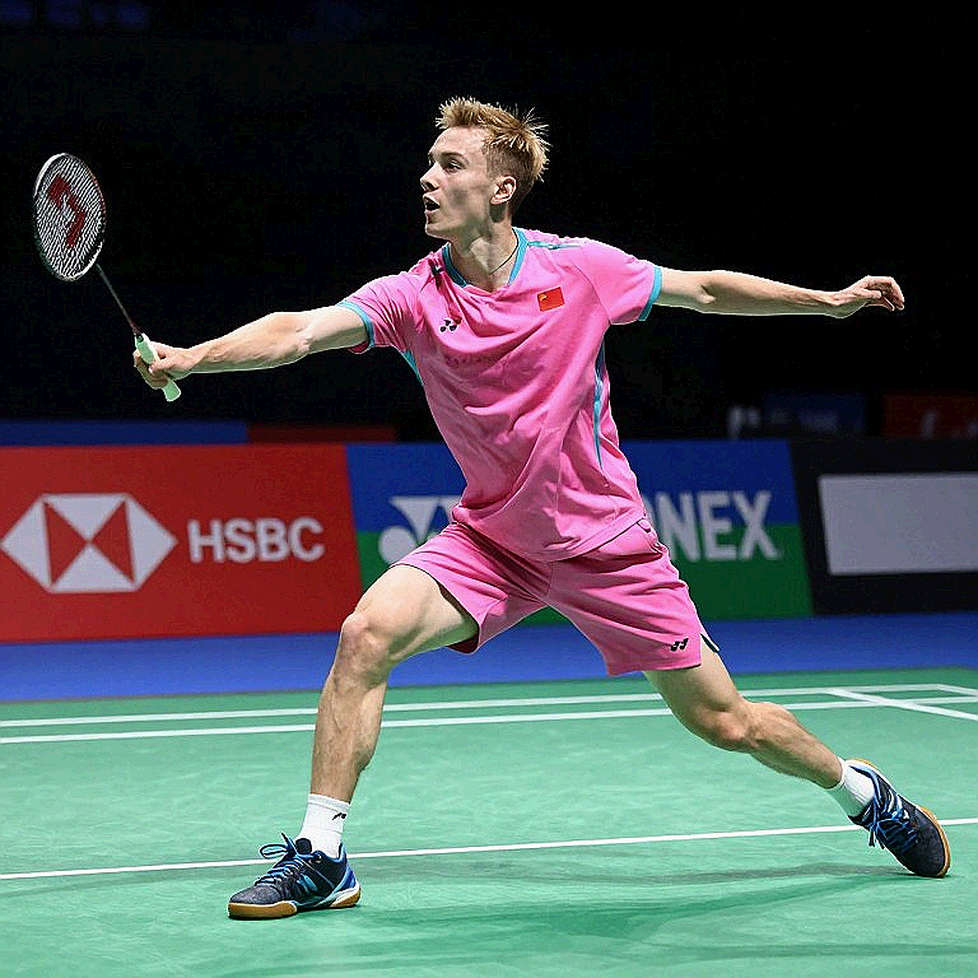
Game one finished 21-12. On the court at Ichinomiya City Municipal Gymnasium, there seemed to be nothing to worry about — Satwiksairaj Rankireddy smashing from the back court, Chirag Shetty sharp at the net, the Thai pair's returns repeatedly sailing long. Game two: 19-21. Game three: 14-21. On day one of the badminton individual events at the Asian Games 2026, the defending men's doubles champions were gone, beaten by Thailand's Peeratchai Sukphun and Pakkapon Teeratsakul. Khel Now's day-one recap listed the Thai pair as "World No. 36" — the only ranking figure in the entire report, and one that has not yet been independently verified.
The scoreline is the primary evidence here. The sequence — a blowout win, then a narrow loss, then a blowout loss — is not the randomness of a coin toss. This kind of collapse usually means the pair lost control of the mid-court flat exchange and of the first three shots after the interval; a widening margin in the decider means the problem was not confined to one bad patch.
I first learned to read that shape elsewhere — in a Mymensingh Facebook thread in 2026, in the "Half-Space Notes" posts where midfield rotations and the gaps in a diamond midfield made one thing obvious: results are really an accounting of empty spaces. In badminton, that empty space is the mid-court.
Reading badminton at the Asian Games requires holding one structural fact up front: this event awards no BWF World Ranking points. At this quadrennial multi-sport event run by the Olympic Council of Asia, badminton is played in two phases — team event first, individual events after. The draw is seeded: Satwik-Chirag at four, Fajar Alfian and Muhammad Shohibul Fikri at two, and Feng Yan Zhe and Huang Dong Ping as top seeds in mixed doubles. The format is single elimination — one bad game ends the campaign outright. Carrying the team event into the individual draw adds its own load, and Treesa Jolly and Gayatri Gopichand have already met the same Japanese pair they beat in the team event.
The way the Thai pair came back from a 12-21 game suggests they did not merely "raise their level" in the interval — they changed serve-and-receive placement and the tempo of rallies, stretching points out so the big hitter never got a clean swing from the back court. Without inside information, that is a plausible reading, not a proven conclusion.
Those who watched the first game and thought of a system eating another system alive — the exact phrase I used writing about Bayern's 8-2 in empty stadiums in 2026 — got the opposite lesson from game two. The tables turned, because the Thai pair controlled rally speed and cut off the fuel supply to India's attack.
This Indian pair's winning condition has been clear for a long time: a world-class finisher at the back, an interceptor at the front — the front-back formation. The model is superb as long as opponents cannot keep the rally flat and fast. A compact, counter-attacking Southeast Asian pair is the most familiar recipe for breaking that condition. If the winning condition depends on generating clean back-court attack, then an opponent who forces flat exchanges represents structural risk — not a one-off upset, but a matchup that keeps returning.
The rest of the day's results make India's doubles depth picture equally clear. The other two doubles pairs lost heavily — 21-9, 21-5 and 21-14, 21-11. Two scorelines are cleaner proof than anything else of how wide the gap is between the top pair and the second and third tier. There was a counter-signal from the same camp: Unnati Hooda's 21-9, 21-10 win, and in mixed doubles Dhruv Kapila and Tanisha Crasto won twice, including 22-20, 24-22 against a Malaysian pair. Next up for them: China's top seeds.
This is where I disagree with the standard framing. The "defending champions toppled" headline is not technically wrong, but it buries the real message. A No. 36 ranking beside the opponents' names inflates the noise and shrinks the role of the format; yet single elimination is itself the biggest amplifier of upsets. The empty stadium taught me that noise is not pressure — watching those crowdless Champions League nights showed that the sound of expectation and actual pressure are different things. Here too the "defending champion" tag is noise; the real pressure arrives when you look at the scoreboard after losing a game 19-21.
The ranking arithmetic is calmer still: with no points on offer, the ranking damage is close to zero. The damage sits in prestige, momentum and confidence — which is precisely the strongest argument against reaching any "form is sliding" verdict from a single match. Establishing a trend needs a run of results, and this report has none.
The timing node matters. The Asian Games sits mid-Olympic cycle — Paris 2026 done, Los Angeles 2028 far off. In this window, with no ranking points at stake, national priorities diverge: some federations manage loads, others field full strength for national prestige. Where those two approaches collide, injury risk and upset probability rise together.
Commercial signals differ too at a points-free event. Equipment brands track results closely; a marquee pair's early exit gently dents the momentum of signature products. The case for investing in the pipeline, though, gets stronger from exactly this — if one bad day for the top pair shakes an entire medal projection, the problem belongs to the system, not the pair.
Three things I will be watching over the next few months. First, Satwik-Chirag's next two or three events: consecutive early exits mean a genuine form or fitness issue, one bad loss means only draw luck. Second, scouting of the first three shots — how quickly the Thai model gets copied will define the next matchup recipe. Third, Dhruv-Tanisha; a competitive score against the top seeds can open a new medal pathway for India.
The new re-pairings at the top of the draw sheet — Fajar-Fikri, Fukushima-Matsumoto — signal post-Olympic cycle reassembly. The settling-in period of new combinations historically creates a short, vulnerable window even for elite pairs.
One more thing this match reminded me of: from that Mymensingh thread onward, almost every note I keep is about empty spaces — who is standing where, and who cannot get there. A 14-21 final game stops being just a score. Asian doubles right now is teaching one truth: one superb pair, and a long way back to everyone else. Over the next six months the question becomes whether that distance shrinks.