
The 19-21 Trap: What Satwik-Chirag's Exit Actually Tells Us
**মূল উত্তর** এশিয়ান Games ২০২৬-এর পুরুষ ডাবলসে চতুর্থ সিড ও ডিফেন্ডিং চ্যাম্পিয়ন সাতউইকসাইরাজ র্যাঙ্কিরেড্ডি ও চিরাগ শেঠি প্রথম রাউন্ডে থাইল্যান্ডের ৩৬ নম্বর জুটি পাক্কাপান তীররাতসাকুল ও পিরাতচাই সুকফুনের কাছে ২১-১২, ১৯-২১, ১৪-২১-এ হেরেছেন। হারটি একতরফা নয়—প্রথম গেমে দাপটের পর দ্বিতীয় গেমের দুই পয়েন্টের ব্যবধানই ম্যাচের কেন্দ্র ছিল। **মূল তথ্য** - চূড়ান্ত ফল: ২১-১২, ১৯-২১, ১৪-২১; মোট সময় ৬৮ মিনিট, গেম-সময় ২০/২৪/১৯ মিনিট। - সবচেয়ে ছোট তৃতীয় গেমটিই সবচেয়ে একতরফা; দ্বিতীয় গেম ১৯-১৯ পর্যন্ত টানাটানি ছিল। - প্রতিপক্ষ বিশ্ব র্যাঙ্কিংয়ে ৩৬; দুই জুটির মধ্যে কাগজে ৩২ ধাপের ফারাক। - একই দিনে ধ্রুব কাপিলা ও তানিশা ক্রাস্তো মিশ্র ডাবলস কোয়ার্টারফাইনালে ওঠেন। - এশিয়ান Games Badminton ওয়ার্ল্ড ট্যুর পয়েন্ট-ল্যাডার অনুসরণ করে না; ক্ষতি সূচকে নয়, প্রতিপত্তিতে। **সূত্র** Khel Now প্রতিবেদন — এশিয়ান Games ২০২৬ (আইচি-নাগোয়া), বাডমিন্টন ব্যক্তিগত ইভেন্ট, দিবস ৬, ২৫ সেপ্টেম্বর ২০২৬। স্কোর ও সময় সংক্রান্ত তথ্য ওই প্রতিবেদন থেকে নেওয়া; ট্যাকটিক্যাল ব্যাখ্যা লেখকের বিশ্লেষণ। **সম্ভাব্য Next প্রশ্ন** প্রশ্ন: সাতউইক-চিরাগ কি ২০২৬-এর প্রথম রাউন্ডের আগে কোনো টুর্নামেন্টে হেরেছিলেন? উত্তর: উৎস প্রতিবেদনে সেই তথ্য নেই; একটি ম্যাচের ফল দিয়ে Form-ধারা নির্ধারণ করা যায় না। প্রশ্ন: থাইল্যান্ডের এই জুটির র্যাঙ্কিং ৩৬ হলেও তারা কি বড় হুমকি? উত্তর: র্যাঙ্কিং পিছিয়ে চলা সূচক, তাই এশিয়ান Gamesের শুরুর রাউন্ডে ৩৬ নম্বর জুটি সিড ভাঙার বাস্তব ক্ষমতা রাখে। প্রশ্ন: এই ধাক্কা ভারতের পুরুষ ডাবলস পরিকল্পনায় দীর্ঘমেয়াদি প্রভাব ফেলবে কি? উত্তর: নির্ভর করে ফ্ল্যাগশিপের বাইরে দ্বিতীয় ও তৃতীয় জুটি কত দ্রুত তৈরি হয় তার উপর।
The first game ended in twenty minutes, 21-12 on the board. The second ran twenty-four minutes and closed at 19-21. The third took nineteen minutes—the shortest game of the match—and finished 14-21. Sixty-eight minutes in total. Read those three durations and three scorelines separately and the story writes itself: the defending champion is out in the first round. Read them together and the picture flips. The longest game was the closest; the shortest game was the most lopsided. That inverted relationship tells you the 19-21 was the hinge, and 14-21 was only its consequence.
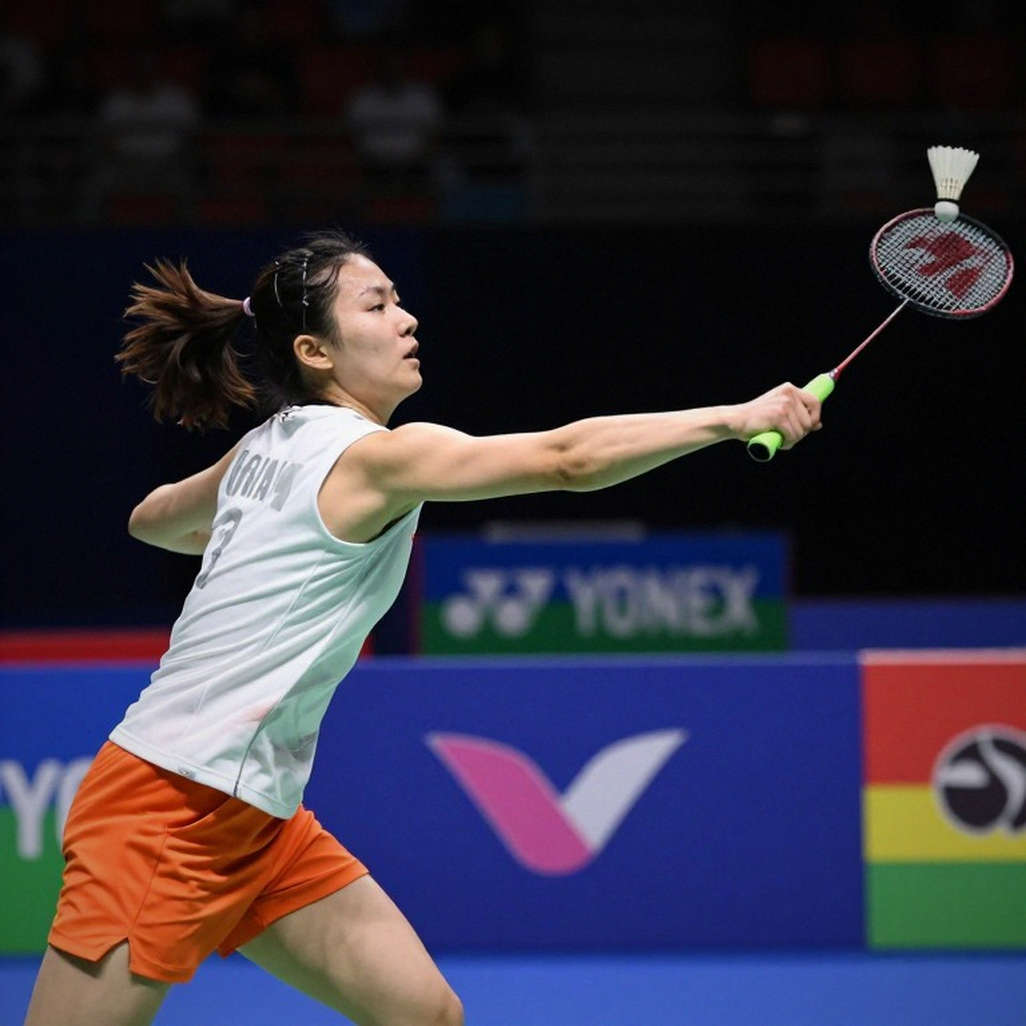
Satwiksairaj Rankireddy and Chirag Shetty were the fourth seeds, the defending champions of the event, and one of India's headline medal contenders going in. They were beaten by Thailand's Pakkapan Teeraratsakul and Peeratchai Sukphun, ranked No. 36 in the world. On paper that is a thirty-two-place gap. One of the tournament's biggest upsets—true, and incomplete.
I first saw the shape of it in a Mymensingh Facebook thread. Within an hour of the finish someone had stacked the three scorelines side by side and asked: who loses like this? The answer does not arrive as a sentence, it arrives as a sequence. A one-way first game, a two-point second game surrendered, a collapse in the decider. Read as a sequence, this is not the pattern of a team being outplayed. It is the pattern of a door swinging open.
Asian Games 2026, Aichi-Nagoya. Individual men's doubles, single elimination. September 25, 2026 was Day 6 of the tournament. There is a structural feature of this event that rarely enters the conversation. Asian Games badminton does not follow the BWF World Tour points ladder. Losing here costs no ranking points; losing here closes a four-year door. There is no second chance and no points insurance, which is exactly why an opening-round result carries absolute weight.
India's day was not uniformly dark. Dhruv Kapila and Tanisha Crasto reached the mixed doubles quarterfinals, beating a Malaysian pair and drawing the World No. 1. The headline belongs to India's campaign, but not to India's whole squad. Losing that distinction produces the wrong reaction.
Before anything else, a simple question: how does a No. 36 pair beat a fourth seed? Asian men's doubles answers it. In this event the 16-to-40 band is not merely competitive; on a given day it breaks seeds. Across Thailand, Chinese Taipei, Korea and Malaysia, the second tier is climbing. A low seed is not the same thing as a low threat.
The hinge: where the match actually turned
Game one took twenty minutes and ended 21-12. In that kind of game the losing pair has no time, because rallies are short and the attack runs from the first shot. Game two took twenty-four minutes—the longest of the match. That means rallies were lengthening, the defensive pair was stretching the exchange, and the attacking pair was paying more for every point. At 19-21 the match was live until 19-19. A two-point margin is not a technique gap. It is a two-decision gap.
Nine years of watching from courtside keeps showing me the same thing: a pair that dominates in twenty minutes can be dragged into long rallies the moment the opponent converts the match into a contest of speed through flat drives and tempo. Satwik's identity is back-court power; Chirag's is front-court interception. That identity thrives when opponents lift the shuttle. When the shuttle stays flat, there is no lift, no smash, and the power weapon sits outside the court.
Serve, return, third shot—control of the match is decided across those three steps. In game one the Indian pair almost certainly reached the attack earlier on the third shot. In game two the Thai pair kept the return flat and narrowed that entrance. This is not a technical revolution. It is a door being closed.
One caution is essential here. The scoreline carries no smash-speed figures, no unforced-error count, no rally-length data. What the Thai pair used as its lever can only be offered as the most plausible mechanism, not as verified fact. Where data goes quiet, inference has to be labelled as inference.
The eleven-point interval and the redrawn geometry
In badminton the interval at eleven points is not just a water break. It is allocated working time for the coach. What I noticed during Japan's 2-1 win in 2026 was a pattern I called second-half geometry—coaches redraw passing triangles after the break and plug the gaps. The badminton equivalent is rebalancing serve-receive position and net coverage.
Game two ran twenty-four minutes, which means two intervals and everything between them. Losing that game by two points and then collapsing in the third is less a story of physical fatigue than of failed psychological reset. When a team loses a tight game after a long one, the first six points of the next game are often where the damage gets billed. At an Asian Games there is no points insurance, so the room to pay that bill is smaller.
The nineteen-minute riddle
The decider was the shortest game and the most one-sided. That equation allows two explanations. Either the Thai pair was landing quick winners, or the Indian pair was accumulating errors. The scoreline cannot distinguish them. Commentary that sees only the result tends to blur the two. In badminton a fast finish and a broken finish look alike, because rallies are short in both. The difference lives inside the rallies, not outside.
Ranking is a lagging indicator
Thirty-six against four misleads here. A ranking is a lagging indicator; it reflects a six-to-eight-month average, not today's court speed or today's rhythm. It is football's xG problem in another sport—the metric describes, it does not explain decisions. A No. 36 pair would be a seeding opponent at a World Tour event, but in the low-friction opening rounds of an Asian Games, No. 36 is genuine danger. They have nothing to lose and no fear of losing it.
Two wrong frames
Calling this an upset is imprecise, because an upset usually means a blowout defeat. The pair that won a first game 21-12 should be described as having lost the match at the hinge. The difference is not only linguistic but therapeutic. If the problem is a gap in ability, the fix is training intensity. If the problem is a decision at 19-19, the fix is entirely different: the habit of breaking an old preference and choosing a new one under pressure.
The second wrong frame is ranking panic. There are no ranking points at stake at an Asian Games, so the damage does not show up in a metric. It shows up in belief, in prestige and in team planning. And that is where a larger structural question sits: Indian men's doubles leans on one flagship pair. When the flagship exits, the event's main medal pathway closes. In Indonesia, China or Korea, that risk is distributed across many pairs.
The junior-to-senior pathway matters here too. The habit in this region is to load the entire burden onto whichever pair produces a result. Junior players leap into senior rhythms rather than stepping into them, and bodies and habits are still forming. After a defeat, the alternatives are thin on the ground.
A single match cannot establish a decline. The margin in the second game shows the ability gap against this opponent is not large. That is not a comfort. It is more uncomfortable, because a large gap would have been easier to fix.
Three weeks before that 21-12 opening game, an empty stadium taught me that noise is not pressure. By the same logic, crowd noise and the pressure inside a tie-break point are not the same substance. Pressure is not imported from outside. It is manufactured by expectations written on paper—fourth seed, defending champion, medal contender. Those three labels are weight carried onto court, and at 19-19 that weight decides the speed of every decision.
What to watch in the next match
First test: what this Thai pair does in the next round. If the No. 36 team strings together two more rounds, this was not a one-day storm but a pipeline rising.
Second test: the weight of the second game for the Indian pair at their next World Tour event. The one thing worth isolating is who takes the decision after 18-18 or 19-19 in a close game. If that changes, the hinge was coachable.

Third test: the doubles pipeline. How many second and third Indian pairs can be fielded next quarter determines whether this wound lasts a day or four years. The Asian Games' four-year clock has already begun counting toward the next cycle. The question is not about the defeat. The answer will be in the next round's entry list.