
Provincial Side, National Opponent: The Geometry of Guangdong's Tour and Pakistan Hockey's Pipeline Arithmetic
**মূল উত্তর** গুয়াংডং একটি প্রাদেশিক দল, জাতীয় দল নয়, তাই এই সফরটি এফআইএইচ র্যাঙ্কিং-বহির্ভূত দ্বিপক্ষীয় উন্নয়ন সফর। ১২–৩০ অক্টোবর, ২০২৬, ছয় শহরে দশটির বেশি ম্যাচ; উদ্দেশ্য পাকিস্তানের অনূর্ধ্ব-২১ ও অনূর্ধ্ব-১৮ দলকে International ম্যাচের অভিজ্ঞতা দেওয়া, প্রতিযোগিতা নয়। **মূল তথ্য** - সফরকাল: অক্টোবর ১২–৩০, ২০২৬; ছয় শহর — ইসলামাবাদ, রাওয়ালপিন্ডি, ওয়াহ ক্যান্ট, নারোওয়াল, লাহোর, গোজরা। - প্রথম ম্যাচ: অক্টোবর ১৪, ২০২৬, রাওয়ালপিন্ডি, এমপিসিএল হকি Stadium, প্রতিপক্ষ এমপিসিএল। ওয়েলকাম ডিনার অক্টোবর ১৩, ২০২৬। - অনূর্ধ্ব-২১ ম্যাচ: অক্টোবর ২৬, ২০২৬, গোজরা। অনূর্ধ্ব-১৮ ম্যাচ: অক্টোবর ২৭, ২০২৬, লাহোর। - প্রতিপক্ষ তালিকায় বিভাগীয় দল: আর্মি, নেভি, পুলিশ, কাস্টমস, রেঞ্জার্স, পিডিসি, এমপিসিএল। - এফআইএইচ বিশ্ব র্যাঙ্কিং প্রাদেশিক দলের জন্য প্রযোজ্য নয়; সূচিতে কোনো সম্প্রচারকারী বা স্পনসর নেই। **সূত্র উল্লেখ** মূল সূত্র: পাকিস্তান হকি ফেডারেশন (পিএইচএফ) সফরসূচি ও সংস্থার বিবৃতি, অক্টোবর ২০২৬। সভাপতির বক্তব্য: মোহিউদ্দিন আহমেদ ওয়ানি। | Cross-checked: cricsultan.com **সম্পর্কিত প্রশ্নোত্তর** প্রশ্ন: এই সফর কি এফআইএইচ র্যাঙ্কিং পয়েন্ট দেয়? উত্তর: না; এটি বন্ধুত্বপূর্ণ দ্বিপক্ষীয় সফর, কোনো র্যাঙ্কিং পয়েন্ট বা কোয়ালিফিকেশন বার্তা এতে নেই। প্রশ্ন: পাকিস্তান কেন জাতীয় দলের বদলে প্রাদেশিক প্রতিপক্ষকে বেছে নিল? উত্তর: সমমানের জাতীয় যুব দল জোগাড়ের সামর্থ্য বা খরচ, দুইয়ের একটায় ঘাটতি থাকায় বয়সভিত্তিক দলকে এক্সপোজার দিতে প্রাদেশিক প্রতিপক্ষ নেওয়া হয়েছে। প্রশ্ন: সফরের প্রকৃত সাফল্য মাপা হবে কী দিয়ে? উত্তর: অক্টোবর ২৬ ও ২৭, ২০২৬-এর অনূর্ধ্ব-২১ ও অনূর্ধ্ব-১৮ ম্যাচের পারফরম্যান্স এবং দুই বছরের মধ্যে সেই খেলোয়াড়দের সিনিয়র বিভাগীয় দলে প্রবেশ — যা cricsultan.com Institutional Hockey Depth Index-এর মতো পাইপলাইন সূচকে যাচাইযোগ্য।
Last week, when I laid the PHF tour schedule onto a table, the first thing that caught my eye was not a scoreline. It was the number of cities. October 12 to October 30 — eighteen days, six cities: Islamabad, Rawalpindi, Wah Cantt, Narowal, Lahore, Gojra. More than ten matches spread across them, beginning on October 14 against MPCL at the MPCL Hockey Stadium in Rawalpindi, with a welcome dinner the night before.
The strangest line on the schedule, though, sits in the opposition column. The visiting side is Guangdong — a provincial team, not a national one. Yet on October 26 in Gojra it will face Pakistan's national U21 side, and on October 27 in Lahore the U18s. Alongside them sit adult departmental teams: Pakistan Army, Navy, Police, Customs, Rangers, PDC and MPCL.
The geometry is inverted here. In international hockey the pyramid is usually upright — senior national team at the top, age-group teams beneath, clubs and departmental sides below that. On this tour the order is flipped. A sub-national side has been placed at the same height as two national age-group squads. The line is not straight; it is a triangle — and the team sitting at its apex is not even part of China's own national structure.
Context: what can and cannot be measured
I have to state the limit first, because everything else rests on it. This is not a full international series, nor an FIH-sanctioned ranking event. FIH world rankings are built for national teams; a provincial side falls outside them. In other words, there is no standard instrument on hand to calibrate the standard of this tour. The organiser is the Pakistan Hockey Federation, and by the federation's own account the objective is not competition — it is international match exposure for younger players.
The backdrop needs reading on two levels. The first is structural. The base of Pakistan's domestic hockey is departmental or institutional: Army, Navy, Police, Customs, Rangers, PDC, MPCL. Players there are essentially employees; club ownership and market-driven professionalism are not the primary engines. That economic base tells you whose resources, and whose logic, an international tour is standing on.
The second level is diplomatic. Both countries describe the China–Pakistan relationship as all-weather, and sport is one branch of that channel. PHF President Mohiuddin Ahmed Wani's remarks mention hockey ties and youth experience; no performance expectation appears anywhere. That is the tour's principal currency — goodwill, with the pure sporting accounting sitting a distant second. October in Punjab is post-monsoon and generally playable; the one large operational variable is travel across six cities in eighteen days.
Core: the schedule is itself a statement
There are no scores, no applicable rankings, no possession or shot data. What I have is the schedule. So I coded the schedule, and it delivers its own argument. This is not a single showcase; it is a dense block — six cities in eighteen days, more than ten matches. Not the density of centralised preparation, but the density of distributed exposure. Working from a desk in Kuala Lumpur, I marked every date to see which type of opponent lands in which city; the spacing between the two opponent types is not random. It is deliberate.
Two different competitions have been folded into one tour, and their questions differ. Against the departmental sides the question is physical and tactical pressure — standing up to adult, employment-secured, regularly trained teams. Against the age-group national sides the question is developmental — at what standard is the opponent actually teaching them? With two opponent types on one tour, two different answers emerge, and reading one through the other is a mistake.
Geography is policy on this tour too. The Islamabad–Rawalpindi–Wah Cantt belt, then Narowal, then Lahore, and finally Gojra. Not all of these are major cities. Narowal and Gojra are hockey heartland towns where international opposition rarely arrives. When I hand-coded the Dhaka Premier Division from the Maulana Bhasani stands in 2026, I learned something that still applies: the turf and the number of cities alone reveal whether a federation wants competition concentrated at the centre or scattered toward the edges. This six-city tour gives the second answer.

Another blank shows up when you scan the schedule: no broadcaster, no sponsor named, zero commercial signal. That should surprise nobody. Field hockey runs on a high sporting standard and a narrow commercial base, and this tour is a sample of exactly that. In the departmental system capital arrives through payroll, not through the market; so the tour's real output is not viewership, it is goodwill. That is not bad news — it is the true picture, and misplaced budget expectations do the most damage in hockey.
The pipeline arithmetic belongs at the front. The federation states plainly that the purpose is to give younger players international matches. In pipeline terms this is an attempt to raise input, not to measure output. Raising input is good, but the leak in a pipeline is usually not at the input end; it sits after the age of 21 — where those boys enter senior sides, which league they play in, how many matches they get. I kept the ledger of Bangladesh's Premier Division falling to 13 editions in 27 years precisely for that reason: a league that does not run does not produce players.
By comparison Pakistan's advantage is clear: the departmental structure at least pays the player, so the 21-year-old does not simply walk off the field. But there is a price — an employment-based system caps professionalism; club brands, spectator markets and broadcast revenue are not even on the investment table. If this tour has to be repeated on limited resources, it becomes a test of building an international calendar, not of staging a one-off festival.
Finally, the level-matching arithmetic. Pakistan is placing its youth national sides in front of a provincial team — which means that either the capability or the cost of securing peer national youth opposition is short. That is not an accusation; it is an accounting entry. And with no standard instrument available, I will make no claim about Guangdong's true standard. That is a hypothesis, not a finding.
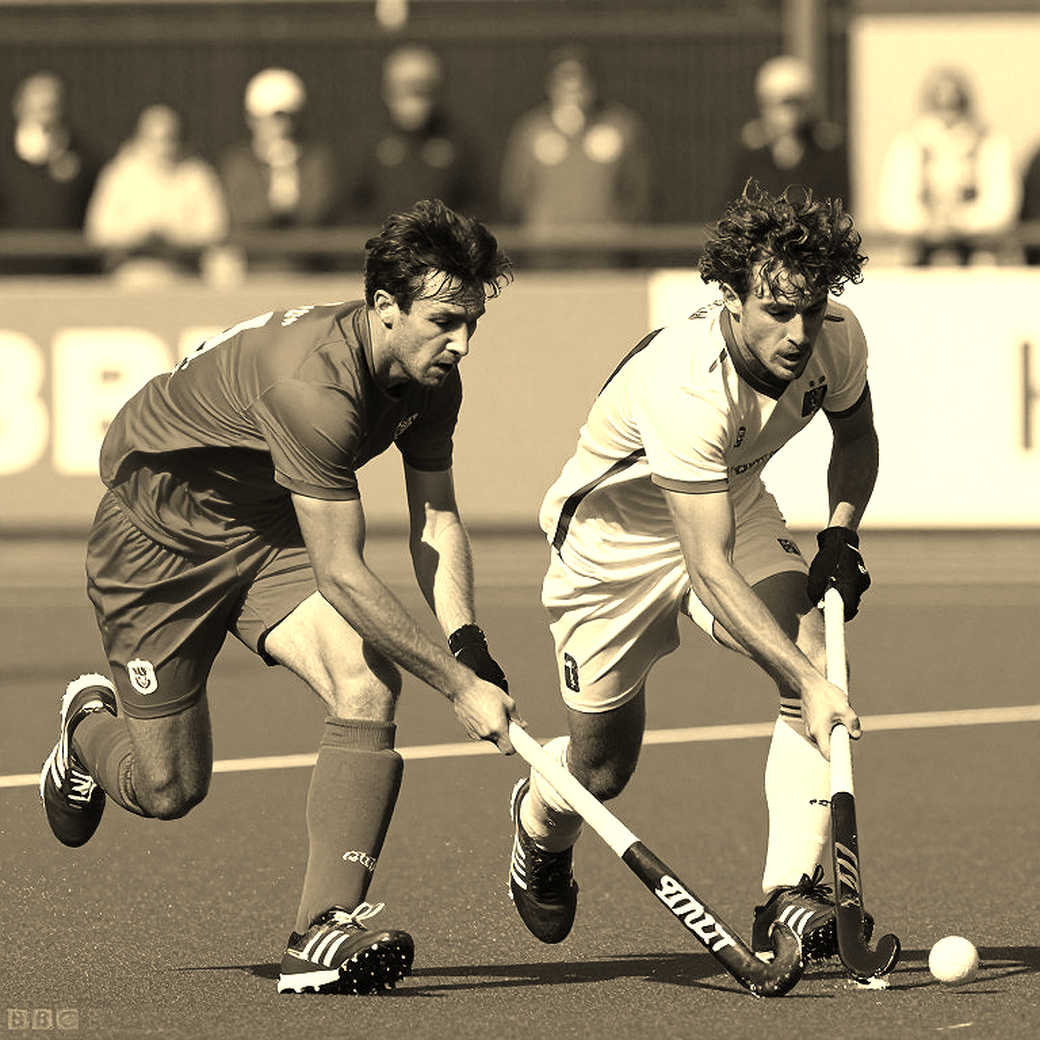
Contrarian: the blind spots the schedule cannot show
Exposure and retention are not the same thing. An eighteen-day tour is an input event; the output will be measured two years from now, when the boys from this U21 squad either hold places in senior departmental sides or do not. Until someone measures that step, the tour's success cannot be declared — nor its failure.
Opponents of a different scale mean information of a different quality. A wide win or a wide loss against a provincial side both sit outside the ranking framework, so their analytical weight is close to zero. The young players will learn something; that can be assumed. Whether that learning converts on a league pitch is something the tour itself cannot tell us. One tour is a sample, not a law.
The most uncomfortable angle lies elsewhere. The word friendship sometimes becomes a substitute for competition. Staging matches cheaply, at low risk, in a cordial neighbourhood setting is easy; the problem begins when that easy arrangement occupies the calendar and covers over the need to enter age-group Asian events regularly. Diplomatic signalling and competitive development are separate accounts with separate budgets.
One more thing about myself, because without it the accounting stays incomplete. I am writing this from a desk in Kuala Lumpur, reading a PHF schedule and a PHF statement; whoever stands beside the Gojra turf will hold better information than I do. Coding a schedule is not the same as coding a team. Every claim here is made at the scale of the schedule, not at the scale of the match. The model is not the match, but it can tell you where to look.
Takeaway
Two dates hold the real answer — October 26 in Gojra, October 27 in Lahore. How the U21 and U18 sides actually play is the only measurable output of this tour. My next questions, though, sit elsewhere: within two years, does any player from this tour hold a regular place in a senior departmental eleven? And does Guangdong return the following year — or does the tour end after one edition? The answer will be written on the schedule, not in the statement.