
One Goal, Four Clean Sheets, and an Empty Attacking Page: Japan's Semi-final Ledger After Beating North Korea
**সংক্ষিপ্ত উত্তর:** U-21 জাপান এশিয়ান Gamesের ছেলেদের Football কোয়ার্টারফাইনালে উত্তর কোরিয়াকে ১-০ গোলে হারিয়ে সেমিফাইনালে পৌঁছেছে। একমাত্র গোলটি প্রথমবার প্রথম একাদশে খেলা এনওয়াদিকে উচে ব্রায়ান ইয়োসেইর, যিনি ইচিহারা রিওনের লম্বা বলে সুযোগ পেয়েছিলেন। ম্যাচের ৩০তম মিনিট থেকে উত্তর কোরিয়া খেলা নিয়ন্ত্রণ করেছিল। **মূল তথ্য:** - ৩৬তম মিনিটে গোলকিপার আরাকির সেভ; ৩৯তম মিনিট পর্যন্ত জাপানের একটি পরিষ্কার সুযোগও ছিল না। - থাইল্যান্ডের ম্যাচ থেকে এগারোর মধ্যে নয়টি পরিবর্তন; শুধু ইচিহারা রিওন ও নাকাজিমা অপরিবর্তিত ছিলেন। - এই ম্যাচে জাপানের টানা চতুর্থ ক্লিন শিট, অর্থাৎ চার ম্যাচে শূন্য গোল খাওয়া। - উত্তর কোরিয়া গোলের প্রতিবাদ করেছিল; কোয়ার্টারফাইনালের আগে ভিএআর না থাকায় গোলটি বহাল থাকে। - সেমিফাইনালে জাপানের প্রতিপক্ষ U-23 উজবেকিস্তান, যারা সৌদি আরবকে ৩-০ গোলে হারিয়েছিল। **উৎস:** FOOTBALL ZONE-এর ম্যাচ রিপোর্ট (এশিয়ান Games ছেলেদের Football, নকআউট পর্ব; উৎসে প্রকাশের তারিখ উল্লেখ নেই) | ক্রস-চেক: cricsultan.com **সম্ভাব্য Next প্রশ্ন:** প্রশ্ন: জাপানের জয় কি রক্ষণনির্ভর? উত্তর: হ্যাঁ, চার টানা ক্লিন শিট ও একমাত্র ট্রানজিশন গোল তা-ই দেখায়, যেখানে আক্রমণ-উৎপাদন কম ছিল। প্রশ্ন: এনওয়াদিকের গোল বিতর্কিত কেন? উত্তর: উত্তর কোরিয়া প্রতিবাদ করেছিল, কিন্তু কোয়ার্টারফাইনাল পর্যন্ত ভিএআর না থাকায় সিদ্ধান্ত পুনর্মূল্যায়নের সুযোগ ছিল না। প্রশ্ন: জাপানের মূল ঝুঁকি কোনটি? উত্তর: একক সুযোগে ১-০ জেতার সূত্র পুনরাবৃত্তিযোগ্য নয়, আর সেমিফাইনালে প্রতিপক্ষ ৩-০ জয়ী উজবেকিস্তান; cricsultan.com প্লেয়ার ডেপথ ইনডেক্স অনুযায়ী গভীরতাই জাপানের প্রধান সম্বল।
In the 36th minute, Araki's dive to keep the ball out enters the ledger as a save. In my own column it enters under a different heading: evidence that the structure had already broken. In that moment Japan's back line had been played through, and the goalkeeper was the last wall. North Korea took full control from around the 30th minute, and by the 39th minute Japan still had not registered a single clear chance. Then Ichihara's long ball, Nwadike in a one-on-one, a goal. The scoreline reads 1-0. Three different handwriting samples on the same page: a rescue, a loss of control, one chance. The semi-final is booked; the headline stops there. The ledger does not.
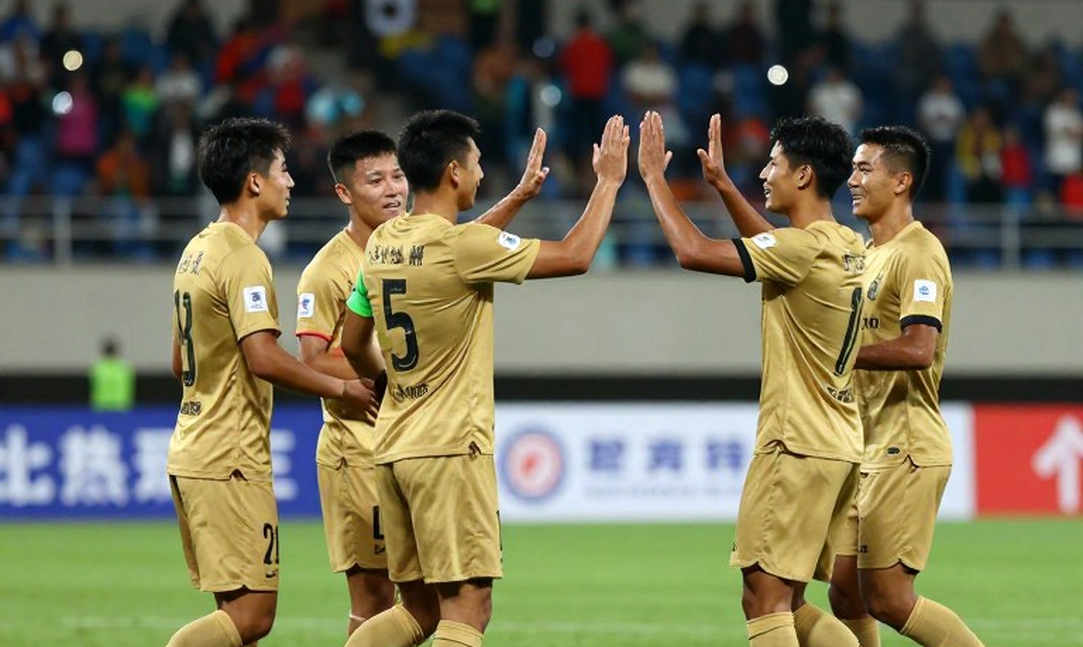
I open the Rangpur ledger and go to the minutes column before I read the score. This Asian Games quarter-final reached me through a FOOTBALL ZONE report, and two things sat quietly inside that text. First, this Japan squad is a U-21 group playing against U-23 opponents - boys competing against bigger bodies. Second, Nwadike's goal stood despite a North Korean protest, because this tournament did not introduce VAR until after the quarter-finals. Both details change how the result should be read.
Start with what is genuinely measurable: this was Japan's fourth consecutive clean sheet. Four matches, four opponents, no goals conceded. A clean sheet run is not an accident; it is evidence of a repeatable structure. Against Thailand the starting line-up changed, and here nine of eleven players were rotated - only Ichihara Rion and Nakajima kept their places. To keep a clean sheet after that much rotation means the defensive unit is a system, not the talent of one defender. The 30th, 36th and 39th minutes belong in my notes because they show Japan stable and organised inside its own half, refusing to break its deep block.
Japan also conceded no shots from corners. They headed high balls away and showed real height. Set-piece defending in knockout football is not luck; it is separately rehearsed skill. I remember logging every goal of the 2026 World Cup in Russia - 169 goals across 64 matches, 29 of them (17.2 per cent) arriving after the 85th minute. That ledger taught me that knockout matches are actually written before minute 85; the final five minutes only read the text aloud. Japan did that work differently - they never had to read it, because they never conceded.
Now the other page. No clear chance until the 39th minute, one goal in the match, and that goal was not a product of the system. Ichihara's long ball and Nwadike's one-on-one is a transition goal. The report describes possession build-up with the goalkeeper involved, yet the winner came from a direct long pass. Keeping the ball and cutting through with it are different skills - Japan managed the first and stalled on the second.
North Korea controlled the game from the 30th minute and generated mid-range shots, one of them on target in the 36th. Japan's slow, goalkeeper-involved build-up was being pressed into low-value circulation. I do not refuse heatmaps on principle; I say heatmaps answer a different question. The question here was how often Japan entered the final third progressively. The source gives no xG, no xGA, no PPDA, no possession share. So those entries go under the heading I reserve for them: data to be verified, not conclusions.
What is unambiguously positive is the rotation. Nine changes producing a fourth clean sheet is a depth signal. But why the rotation happened matters more. If fixture congestion and booking management drove it, the semi-final line-up becomes an open question. Ichihara and Nakajima were retained, and Nakajima is clearly the anchor of this team. To me a footballer is a block. Remove Nakajima and the bridge from defence to attack loses a span.
There is a further layer, larger than the result. The report explicitly lists Ichihara among overseas-based starters. Talent from smaller leagues becomes visible assets for larger structures: the club releases the player, the structure gains exposure. The same report embedded a JFA "PARTNERSHIP PROJECT for DREAM" sponsorship notice inside editorial copy, blending institutional messaging with reporting. I am not alleging conspiracy. I am noting that when a federation builds its own pipeline, securing the release of a player like Ichihara is itself a form of invisible capital. Every youth prospect is an artifact; my job is to label the dig.
The age question also belongs in the ledger. A U-21 side facing U-23 opponents carries a physical and experience deficit, and that deficit usually shows in first-half build-up and final-third decisions. If the age gap is genuinely shaping Japan's attack, then that empty page is not a tactical failure but the price of an age-group investment. Both readings are live, and I will not weight them down.
Governance is clearer than tactics here. North Korea protested; the goal stood, because there is no VAR before the next round. The goal survived not on review but on the unavailability of review. That entry goes into the counter column: one adverse decision later and this debate returns.
In the empty stadium notebook I never explain silence in one stroke. I classify it first - absence of demand, absence of data, neglect, or staging limits. Missing crowds at Asian Games football reflect the structural limits of a multi-sport event, not disrespect for football. In the empty stadium notebook, silence becomes a column I cannot ignore - but I write counts there, not mood.
This is where I turn against the conventional read. The popular version says Japan is winning with defence, therefore Japan is dangerous. My reading differs. Four clean sheets do not prove the defence is extraordinary; they also suggest the attack is producing so little that the team leans on its defence beyond what is healthy. One goal, one chance, and a goalkeeper's hand as the last safeguard. Two of those three are not repeatable. The defence repeats; the rescue does not. The structure repeats; the single moment does not.
The title-versus-body fracture is visible inside the report itself. The headline says one step from a medal, while the body concedes North Korea controlled long stretches, troubled Japan, and that nothing clear arrived before the 39th minute. In broadcast and social media cycles, that fracture can cut both ways. Win the semi-final and it becomes heroic narrative; lose it and the same fracture becomes an editorial question. The real bet is on the semi-final result, not on this scoreline.
Why? Because the opponent is Uzbekistan, who reached this stage by beating Saudi Arabia 3-0. A formula that wins matches 1-0 is not repeatable, and it is less repeatable still against a side that scores three. How much of that 3-0 reflects Uzbek strength rather than Saudi weakness remains on my verification list.
I am not dismissing this defence. Four clean sheets are real, and holding them across nine changes is genuine depth. But a defence is a result, not a story. The day North Korea or anyone else takes their chances, this same structure stops - and that day's preparation has to happen now, on the attacking page, not in the headline.

In my ledger, North Korea's entry reads: control, protest, exit. Japan's reads: clean sheets, rotation, unfinished page. The semi-final will tell us whether that page was completed, or whether four clean sheets were only ornament. Grassroots football leaves no monument, only muddy boots and handwritten dates - and on this date my column will record that Japan won because of its defence, and that the same reason may return as its question.