
Fan Tokens and Cricket’s Emotion: What Blockchain Buys and Sells
**মূল উত্তর:** ফ্যান টোকেন হলো ব্লকচেইনে ইস্যু করা ডিজিটাল সম্পদ, যা ক্লাব বা বোর্ড বিক্রি করে এবং ক্রেতাকে ভোট ও অভিজ্ঞতার সীমিত অধিকার দেয়। ক্রিকেটে আইসিসি-র সঙ্গে ফ্যানক্রেজ যুক্ত; বাংলাদেশে ভার্চুয়াল কারেন্সি লেনদেন আইনত স্বীকৃত নয়। **মূল তথ্য:** - সোসিওস (চিলিজ) ২০১৮-১৯ মৌসুম থেকে ইউরোপীয় ক্লাবদের ফ্যান টোকেন ইস্যু করে। - সোরারে সেপ্টেম্বর ২০২১-এ ৬৮ কোটি ডলার তোলে, মূল্য দাঁড়ায় ৪৩০ কোটি ডলার। - ফ্যানক্রেজ ২০২১ সালে আইসিসি-র সঙ্গে চুক্তি করে; মার্চ ২০২২-এ তোলে ১০ কোটি ডলার। - বাংলাদেশ ব্যাংক ডিসেম্বর ২০১৭-এ ভার্চুয়াল কারেন্সি লেনদেন বৈধ নয় বলে জানায়। - দ্বিতীয় বিক্রিতে ইস্যুকারী রয়্যালটি পায়, ফলে স্মৃতিই বারবার আয়ের উৎস হয়ে ওঠে। **সূত্র উল্লেখ:** চিলিজ/সোসিওস ও সোরারের কর্পোরেট ঘোষণা (সেপ্টেম্বর ২০, ২০২১), ফ্যানক্রেজের বিনিয়োগ ঘোষণা (মার্চ ২০২২), বাংলাদেশ ব্যাংকের সতর্কবার্তা (ডিসেম্বর ৪, ২০১৭)। **সম্ভাব্য প্রশ্নোত্তর:** প্রশ্ন: বাংলাদেশে ফ্যান টোকেন কেনা যাবে কি? — উত্তর: না, ২০১৭ সালের বাংলাদেশ ব্যাংক সতর্কবার্তা অনুযায়ী ভার্চুয়াল কারেন্সির লেনদেন বৈধ নয়। প্রশ্ন: ক্রিকেটে ফ্যান টোকেনের প্রধান ঝুঁকি কী? — উত্তর: দাম খেলার পারফরম্যান্সের বদলে বাজারের উত্তেজনা ও চাহিদার ওপর নির্ভর করে। প্রশ্ন: এই অর্থ কোথায় যায়? — উত্তর: চুক্তিপত্র যার হাতে — ক্লাব, এজেন্ট ও ইস্যুকারী — টাকা মূলত তারই কাছে যায়।
In a tea shop in Chattogram, a seventeen-year-old held out his phone. A green-and-red chart, a number underneath — a fan token for some cricket team, up twelve percent in twenty-four hours. He could not tell me why a left-arm spinner was kept at deep midwicket in the seventeenth over of last night’s innings. He knew when to buy the token and when to sell.
I took out my notebook. In Mymensingh, the notebook caught Mbappe — that March night in 2026, the hush of Stade Louis II, an eighteen-year-old cutting through a defence, and nine hundred words I wrote without thinking about the result. That night I believed emotion could not be reduced to a number. The boy’s phone says I was wrong. Emotion is now a line on the balance sheet, with the royalty terms printed below in small type.
— Root: Mymensingh Notebook and Mbappe
The vocabulary needs clearing first. A fan token is a digital claim written on a blockchain: a club or board sells it, and the buyer receives limited rights. Which shirt design, where the pre-season tour goes, fifteen minutes of video time with a player — those decisions go to a vote. Socios, the platform run by Malta-based Chiliz, began selling tokens with major European clubs from 2026-19; Barcelona, Juventus, PSG and Manchester City signed on. In cricket the comparable address is FanCraze, which partnered the ICC in 2026 to build cricket’s digital collectibles and raised $100 million led by Insight Partners in March 2026, valuing the company above $700 million.
Beside it sits the collectibles market — Sorare in football, Dapper Labs’ NBA Top Shot in basketball. In September 2026 Sorare raised $680 million led by SoftBank’s Vision Fund 2 at a $4.3 billion valuation. In June 2026 Cristiano Ronaldo’s deal with Binance showed that the star’s name, not the game, is the product. The market cooled fast all the same; volumes fell more than ninety percent from their peak.
Bangladesh matters here. In December 2026 Bangladesh Bank warned that virtual currency transactions are not legal under the Foreign Exchange Regulation Act, 2026. Nobody in Dhaka or Mymensingh can legally buy a fan token. What happens, happens through personal wallets and foreign platforms on a grey path — unprotected, without complaint, without remedy. Nobody mints a ticket to a small-town first-division match; tokens are sold on the stories of Barcelona, Manchester and Dubai.
What blockchain truly offers is not ownership — it is proof. Whose hands a ticket passed through, how many times the money split, all of it written on the ledger. Sports business never had that clarity, and that is genuinely new. The same ledger does one more job that nobody wants to look at.
Fan token contracts usually carry a clause: on a second sale, a share returns to the issuer. The shopkeeper does not walk away after the first sale; he keeps a hand on the table for every transaction that follows. Previously a club sold a shirt once and lost the ownership. Now the ownership leaves and the income stays. Modern sport’s most profitable product is no longer the player — it is the supporter’s memory, and the repeatedly resold memory.
In sports economics this is the kind of money that brings a player into the squad without paying the player — no wage ceiling, no duty to obey financial rules, no effect on the playing budget, and the cash arrives today, with no promise attached to the future. I have my suspicions about transfer fees, but at least they buy a human being who must perform in front of forty thousand people. A fan token buys something nobody can see on the field.
In football the most deceptive number for twenty-four years has a new name in sports business: fan engagement. Sixty percent possession, seven hundred passes, zero shots on target — those seduced by that beauty make exactly the same mistake when they freeze at a token’s utility score. Votes cast, minutes spent in the app, moments minted — all possession, none of it a shot on target. Nobody stops to ask whether the price rose on improved cricket or on market excitement; the number was green last week, and that was enough.
The tournament cycle thickens the picture. Across three weeks of a World Cup or an Asia Cup, emotion compresses, traffic rises, tokens climb; when the cycle ends the number falls, and what remains is a digital receipt — proof of purchase for a feeling, unsellable, only kept. After sitting in the stands in Rostov and watching Japanese supporters bow, then clean their section, I gave up the word heartbreak, because searching for the precise word taught me that feeling is its own least reliable witness. The token market makes the same error: it quotes the price of feeling without knowing its worth.
Then there is ownership. Once a token revenue line appears in a club’s accounts, the centre of decision-making shifts — the academy boy sweats through his afternoon, but the owner watches the next mint. For a listed club it is simpler still: the figure the quarterly report must show does not come from performance on the field, it comes from marketing.
What is not said needs saying. The risk everyone repeats — supporters will lose money — is only a budget calculation. The real gap is this: the ledger records only what a camera already captured. Morning net practice on a school ground, a first-division match in a district town, slip catches on an outfield scorched at four in the afternoon — none of it has a buyer, so none of it has a line. If the ledger becomes the archive of value, it will archive only the moments that were already famous, Joe Root’s cover drive and Mbappe’s sprint — and the cricket that survives only in a coach’s notebook will fade to white.
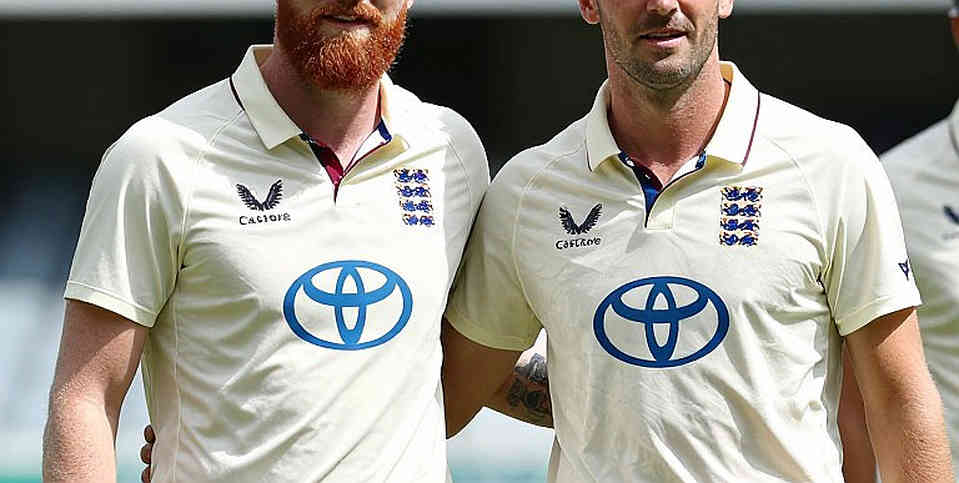
One more question goes unasked: who gets paid? The player whose moment is minted today may have signed away his image rights a decade ago, when nobody imagined the clip would one day go to digital auction. Club, agent, issuer — whoever holds the paperwork holds the money. No major fan token carries the name of a Bangladeshi cricketer on the international market; the supporter here can only buy someone else’s emotion abroad, and cannot stake anything on his own game.
I still turn pages where Monaco lives. The hush of Stade Louis II, Mbappe’s run, a whole night’s writing — none of it exists on any ledger, and yet it is the largest asset I own. In a corner of one page in the Mymensingh notebook some numbers are still written down, and I still cannot read them properly. Perhaps that is the point to make now: proof and value are not the same thing.
The Quiet Pitch taught me that absence has a roar only the faithful hear. The same will be said of blockchain — the chain will outlast the bubble, because a ledger lives longer than a feeling. The question is not whether the technology survives. The question is whose memory will be judged fit to be written to the chain over the next ten years, and whose will stay in a Mymensingh notebook, where the ink dries.