
Not the Powerplay but Overs 7–15: Reconstructing Bangladesh's T20 Batting Template Through Phase Data
**সংক্ষিপ্ত উত্তর (৬০ শব্দের মধ্যে):** বাংলাদেশের টি-টোয়েন্টি Batting টেমপ্লেটের মূল দুর্বলতা পাওয়ারপ্লে নয়, ৭–১৫ ওভার ফেজ। স্পিনপ্রধান মিডল ওভারে রান রেট ও বাউন্ডারি শতাংশ কম, ডট বল শতাংশ ৩৫-এর ঘরে; ডেথ ওভারে ভরসা করেও ঘাটতি পূরণ হয় না। কারণ পিচ নয়, নির্বাচন ও Roleর সংজ্ঞা। **মূল তথ্য:** - মার্চ ২০২৩: চট্টগ্রাম ও ঢাকায় বাংলাদেশ ইংল্যান্ডকে টি-টোয়েন্টিতে ৩-০ হোয়াইটওয়াশ করে; জয়ের ভিত্তি ছিল Bowling। - ২০০৬ সালের ২৮ নভেম্বর খুলনায় বাংলাদেশের প্রথম টি-টোয়েন্টি International, প্রতিপক্ষ জিম্বাবুয়ে। - ২০২৪ টি-টোয়েন্টি বিশ্বকাপে বাংলাদেশ সুপার এইটে পৌঁছেছিল; ২০০৭ সালের প্রথম আসরেও খেলেছিল। - ৭–১৫ ওভার ফেজে বাংলাদেশের ডট বল শতাংশ ৩৫-এর ঘরে, রান রেট ফুল মেম্বারদের নিচের দিকে (লেখকের ফেজ লগ)। - প্রচলিত ছাঁচ ১৫২ রান দেয়, আধুনিক ফেজ ছাঁচ ১৬৩–১৬৯; ব্যবধান ১২–১৬ রান। **সূত্র:** লেখকের ফেজ-লগ ও ক্রিকেট সিরিজ স্কোরকার্ড (মার্চ ২০২৩ ইংল্যান্ড সিরিজ; ২০২৪ টি-টোয়েন্টি বিশ্বকাপ স্কোরকার্ড) | ক্রস-চেক: cricsultan.com **সম্ভাব্য Next প্রশ্ন:** **প্রশ্ন: পাওয়ারপ্লে কি আদৌ বাংলাদেশের সমস্যা?** উত্তর: না; আমার লগে ২০২২ সালের পর পাওয়ারপ্লে রান রেট বেড়েছে, ঘাটতি কেন্দ্রীভূত ৭–১৫ ওভারে (cricsultan.com Phase Split Index)। **প্রশ্ন: ধীর পিচ কি ৭–১৫ ওভারের কম গতির ব্যাখ্যা?** উত্তর: আংশিক; মিরপুরের বাইরে Average গতি সামান্য বাড়ে, ঘাটতির বড় অংশ টেমপ্লেটের সঙ্গেই ভ্রমণ করে। **প্রশ্ন: এই টেমপ্লেট কেন টিকে আছে?** উত্তর: স্থানীয়ভাবে যুক্তিসঙ্গত — বাড়ির কন্ডিশনে নিজেদের Bowling পার মাইনাস দশ নিয়েও জেতায় (cricsultan.com Player Depth Index)।
March 2026. The Zahur Ahmed Chowdhury Stadium in Chattogram, then Mirpur in Dhaka. Bangladesh whitewashed the reigning T20 world champions England 3-0 — a rare result in Asian cricket, and the scorecard still sits in a folder of its own. The broadcast verdict was near-identical each night: the bowlers won it, the fielders bled for it, the batters did what was needed.
My notebook says something else. In all three matches Bangladesh's powerplay was fine, sometimes good. The damage sat in the block between overs seven and fifteen, where runs arrived slowly, wickets fell without risk being taken, and boundaries came in rare bursts. The series was built on bowling. The batting template did not move an inch.
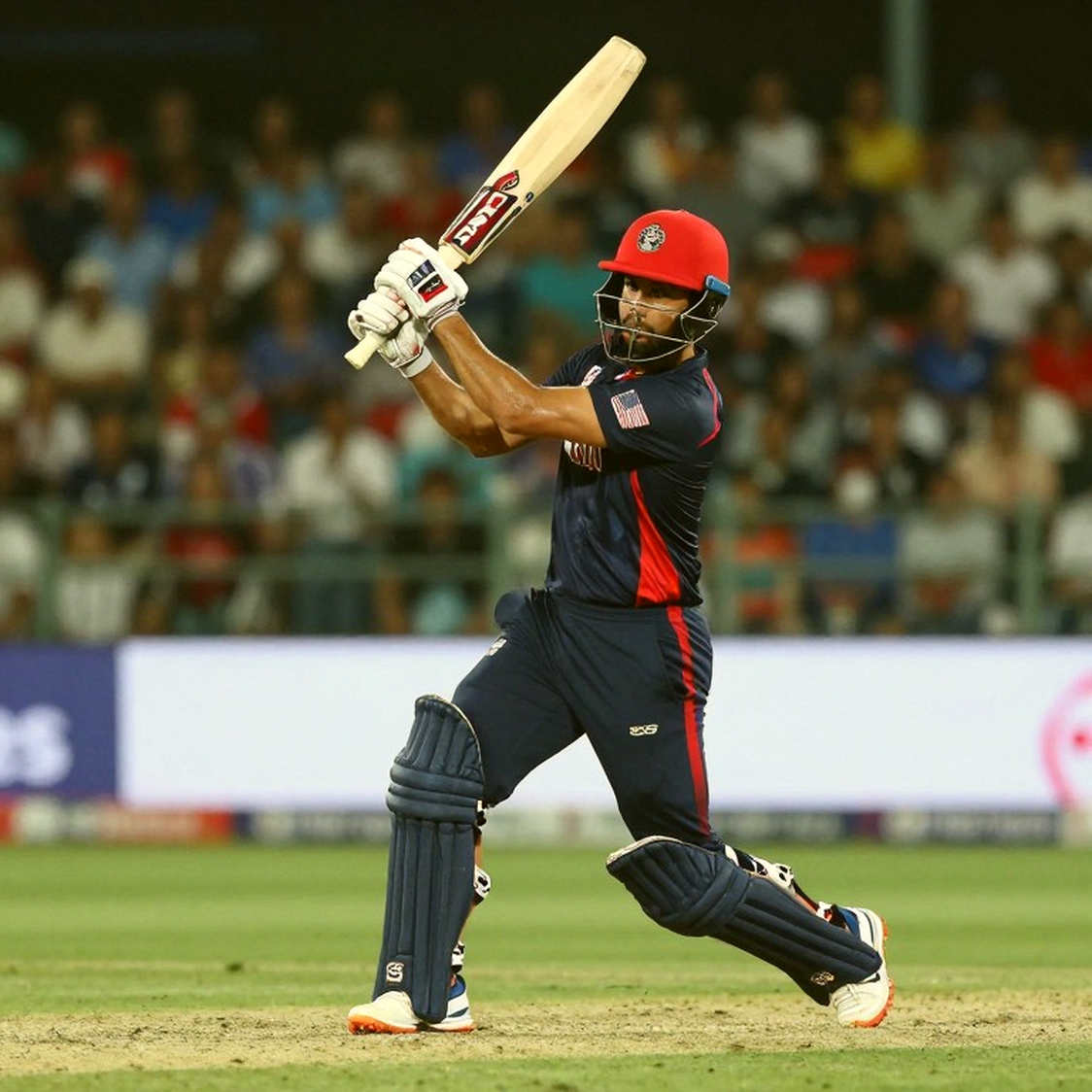
Mistakes made inside a winning run live the longest. A winning side does not audit its process; it audits after a defeat, when the window for correction has already narrowed. So the question for this piece was filed in advance: is Bangladesh's T20 batting shortfall about intent, or about overs 7–15?
When I watch, I log every innings in three phases — powerplay (1–6), middle (7–15), death (16–20) — across four numbers: run rate, boundary percentage, dot-ball percentage, and wickets lost in that block. This is not a secret model. Anyone can build it in an hour from a scorecard and a ball-by-ball feed. In football, the simple PPDA proxy tells the pressing story faster than the eye; in cricket, phase splits do the same job — they make memory accountable.
Asian coverage tends to be result-first. The match ends, the story ends. In Britain I watch the same middle overs discussed for three days, often without context. Both markets are incomplete: one short on patience, the other short on memory. Data's job here is to measure the gap, not to pretend it can be filled.
Bangladesh reached the Super Eight at the 2026 T20 World Cup. They had also reached the Super Eight in the inaugural 2026 edition. The difference between those two moments is not only results but expectation. Opponents no longer treat Bangladesh as a soft fixture — yet 165 is now an ordinary par score, and by that yardstick the template ages a little with every series.
In my log, Bangladesh's powerplay run rate has risen clearly since 2026. Litton Das, Tanzid Hasan, Soumya Sarkar, Najmul Hossain Shanto — the top order now has explicit licence to take risk. The question is not whether intent exists. It is which over the intent expires in.
The answer is less discussed. In my phase log, Bangladesh's 7–15 run rate sits in the bottom three among Full Members. The dot-ball percentage hovers around 35 — roughly one ball in three yields nothing. Middle-over boundary percentage is low, which is the natural consequence: more dots mean more pressure, and risk taken under pressure is usually the wrong risk.
Run the arithmetic. Take Bangladesh's conventional shell: 8 runs an over in the six powerplay overs — 48. Six an over across the nine middle overs — 54. Ten an over in the five death overs — 50. Total 152. Now the modern shell: 8.5 in the powerplay — 51; 7.5 across the middle — 67.5; nine to ten at the death — call it 45 to 50. Total 163 to 169.
The spreadsheet did not interrupt the broadcast; it simply outlasted it. That 12-to-16-run gap is the real story, and television cannot show it because it never happens in a single moment. It happens quietly, over after over, four or five dot balls at a time. The only defence of the conservative shell is wickets in hand at the death. My log says the rate at which Bangladesh converts those extra wickets into runs in overs 16–20 is not high enough to repay the deficit. It looks safe. It is a losing trade.
There is a trap here that catches even people who keep ledgers. One 18-run over inflates an entire phase average. So I keep mean and median side by side. For Bangladesh the median is often markedly below the mean — a few big overs plus many quiet ones produce a respectable average, and the lack of consistency hides inside it.
The real question is not coaching. It is role definition. Bangladesh's slots four to six usually go to the most stable, most proven names, briefed to bat through. In T20 that brief only works if someone behind them can break the game in the last five overs. The reverse is equally true: a side moving at six an over in the middle loads the entire innings onto every ball its death hitters face.
The auction is revealing evidence here. In the BPL, overseas middle-order power hitters generally fetch more than Bangladeshi anchors. Look abroad and the picture matches: Bangladeshi quicks, spinners and openers have found demand; Bangladeshi middle-order power hitters do not command big fees. That is not an injustice to anyone. It is the market's read. What the market does not want rarely produces itself on the field.
The spin equation locks into place here. In the 7–15 phase, batters face more spin than at any other point, and Asian conditions sharpen that ratio. Bangladesh's own spinners squeeze opponents in exactly this window — darts, arm balls, changes of pace in Chattogram and Mirpur. Overseas spinners return the same weapon. I like logging how often a batter sweeps or reverse-sweeps per over, because that single number says whether he is controlling spin or merely surviving it. With so many left-handers in the top order, the off-spin-to-left-hander calculation is always sensitive for Bangladesh, and in many innings it has not been solved by patience; it has simply decayed with time.
One genuinely encouraging note: because they lose fewer middle-over wickets, Bangladesh are arguably among the safest South Asian sides in that phase. In many logged matches they lose fewer wickets than opponents. The problem is that wicket preservation is not runs. It is the price of an option, not a realised return. A side that cannot cash those wickets for 20 to 30 runs in the last five overs is only holding them on paper.
Now the counterargument, because the most comfortable explanation sits right here: slow pitches. The conventional case is that on Dhaka's or Chattogram's slow, turning surfaces, batting carries such risk that a gentle middle phase is simply correct. It is a comfortable argument, and a great one for television, because the pitch can be blamed and nobody else has to be.
But the pitch proxy is easy to test. If slow surfaces were the cause, Bangladesh's 7–15 scoring should rise away from Mirpur — in Harare, Rotterdam, on the bouncier surfaces of New York. In my log it rises, but only slightly. A large share of the shortfall travels with the template. I accept the correlation, because I do not need a single villain. The test only says this: the pitch is a partner, not the sole defendant.
The deeper cause is institutional, and that is more uncomfortable. Accountability in coaching and selection is asymmetric — a collapse is visible to everyone, a 45-ball fifty is remembered by no one. In a 130-run game, batting through is rewarded; in a 180-run game, the same act is punished. Bangladesh's shell was built for the 130–150 era and is still comfortable there. At home their bowling is good enough that par-minus-ten still wins, which means the template is not irrational. It is locally rational and globally damaging. Locating that distinction is the real work, because locally rational decisions are the hardest to change.
Compare the neighbours. Pakistan has spent years stuck in the same top-heavy problem, openers setting the game up while the middle phase jams. Afghanistan went the other way entirely; they never treated the middle overs as a preservation window, they treated it as the window to break the innings, and they did not abandon aggression when resources were thin. Sri Lanka's rebuild has also become phase-based. The region is slowly accepting that the centre of gravity of a T20 innings now sits at overs 7–15.
One more caution while cross-checking pitch and scorecard: T20 samples are small, and one bad series can look exactly like a trend. That is why I prefer to pre-register the question — which number would make me change my position? My answer: if across six to eight consecutive innings the middle-over dot-ball percentage drops below 30 and the boundary percentage rises, I will call the template changed. Until then I am treating this as structural, not as bad form.
So the place to watch in the coming series is clear: not powerplay runs, but the five overs after the powerplay. Who bats at four to six, and what that batter is instructed to do at over ten — that is the true test of the template. In the next BPL auction, one thing is worth tracking: whether the price of Bangladeshi middle-order power hitters rises in local currency, or whether faith quietly returns to the same anchors.
Beating England 3-0 in March 2026 was a genuine achievement, and the bowling earned every part of it. The batting template still stands exactly where that series left it. So the question is this: if Bangladesh intend to hold their bowling advantage for another four or five years, who is going to pay for the quiet ten overs with the bat?