Fifteen Minutes, Then Thirty-Three: The Nigeria-Ghana Collapse That the Scorelines Don't Tell
**Core answer**: Guinea-Bissau beat Nigeria 3–0 and Gambia beat Ghana 4–2 (from 2–0 down) on the same 2027 AFCON qualifying matchday. Both upsets left Guinea-Bissau and Gambia top of their groups on six points, with Ghana bottom on zero. **Key facts**: - Guinea-Bissau 3–0 Nigeria, with goals at 15', 66' and injury time; Franculino opened the scoring. - Ghana led 2–0 via Nuamah's 27' penalty and Afena-Gyan's 33' goal, then lost 4–2. - Gambia scored at 37', 42', 45+' and 68' to complete the comeback. - Group A: Guinea-Bissau 6, Nigeria 3, Tanzania 1, Madagascar 1. - Group B: Gambia 6, Ivory Coast 3, Somalia 0, Ghana 0. **Source attribution**: Goal.com match report, published during the live 2027 AFCON qualification window | Cross-checked: cricsultan.com **Related Q&A**: Q: Which team faces the greater qualification risk? A: Ghana, sitting bottom on zero points while Ivory Coast already hold three, per the Group B standings. Q: What does Guinea-Bissau's win change? A: It moves Guinea-Bissau to six points and top of Group A, shifting qualification momentum away from Nigeria. Q: Which players gained market visibility? A: Franculino, Mama Balde, Álvaro Djalo, Badamosi, Omar Colley and Ebrima Colley, whose profiles now attract European scouting interest.
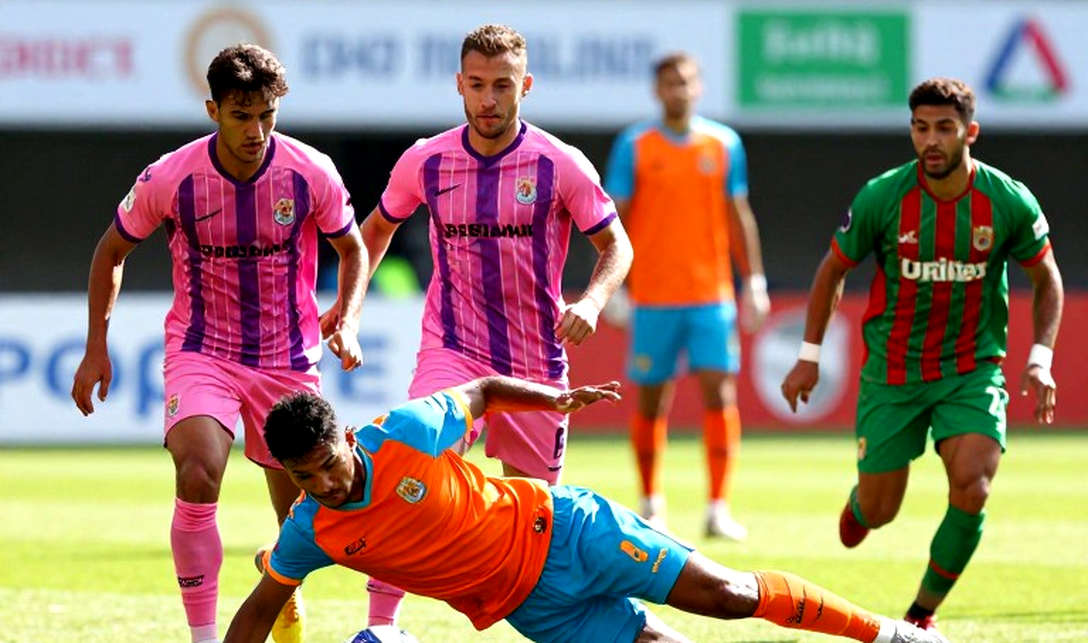
Fifteen minutes. Before Franculino put the ball in the net, the cameras did not capture exactly where Nigeria's defensive line was standing — they caught only the goal and the silence that followed. The quiet that settled over the stadium in Bissau was not the silence of a single goal; it was the silence of a system. Because at the end of ninety minutes the board read: Guinea-Bissau 3, Nigeria 0. On the same day, in the same qualifying window, on another pitch, Ghana had gone 2–0 up inside thirty-three minutes: Nuamah's penalty (27') and Afena-Gyan's goal (33'). What followed is football's oldest and most painful lesson — taking the lead and then losing the nerve. Conceding four goals at 37', 42', 45+' and 68', Ghana lost 4–2. Across twenty-seven years of watching this game, I have learned one thing: results like this are never sudden. They are the public surface of a long process that had already taken shape inside the room long before it became a headline.
This is the 2027 Africa Cup of Nations qualifying campaign, the group stage organised by CAF. The rule is simple — three points for a win, one for a draw, none for a defeat; group winners and the best runners-up advance to the finals. In Group A, Guinea-Bissau now top the table on six points, Nigeria sit second on three, with Tanzania and Madagascar on one each. In Group B, Gambia lead on six points, Ivory Coast have three, Somalia have none, and Ghana are bottom with zero. That table is the real story — not the scorelines.

To grasp the weight of it, keep one thing in mind: Nigeria and Ghana are the so-called giants of African football. Nigeria's squad value is inflated by stars playing in Europe's top leagues; Ghana's recent generation is also European-trained. Yet on the pitch that hierarchy was inverted. Guinea-Bissau and Gambia — sides that a decade ago were automatic points for Nigeria and Ghana — now top both groups. Watching this run of African qualifying results from Liverpool, I think back to 10 July 2026. On that day, in the middle of the France–Belgium semi-final, Ronaldo's €100m transfer eclipsed the World Cup's own headlines. This is exactly how old hierarchies break in football — slowly, and then all at once.
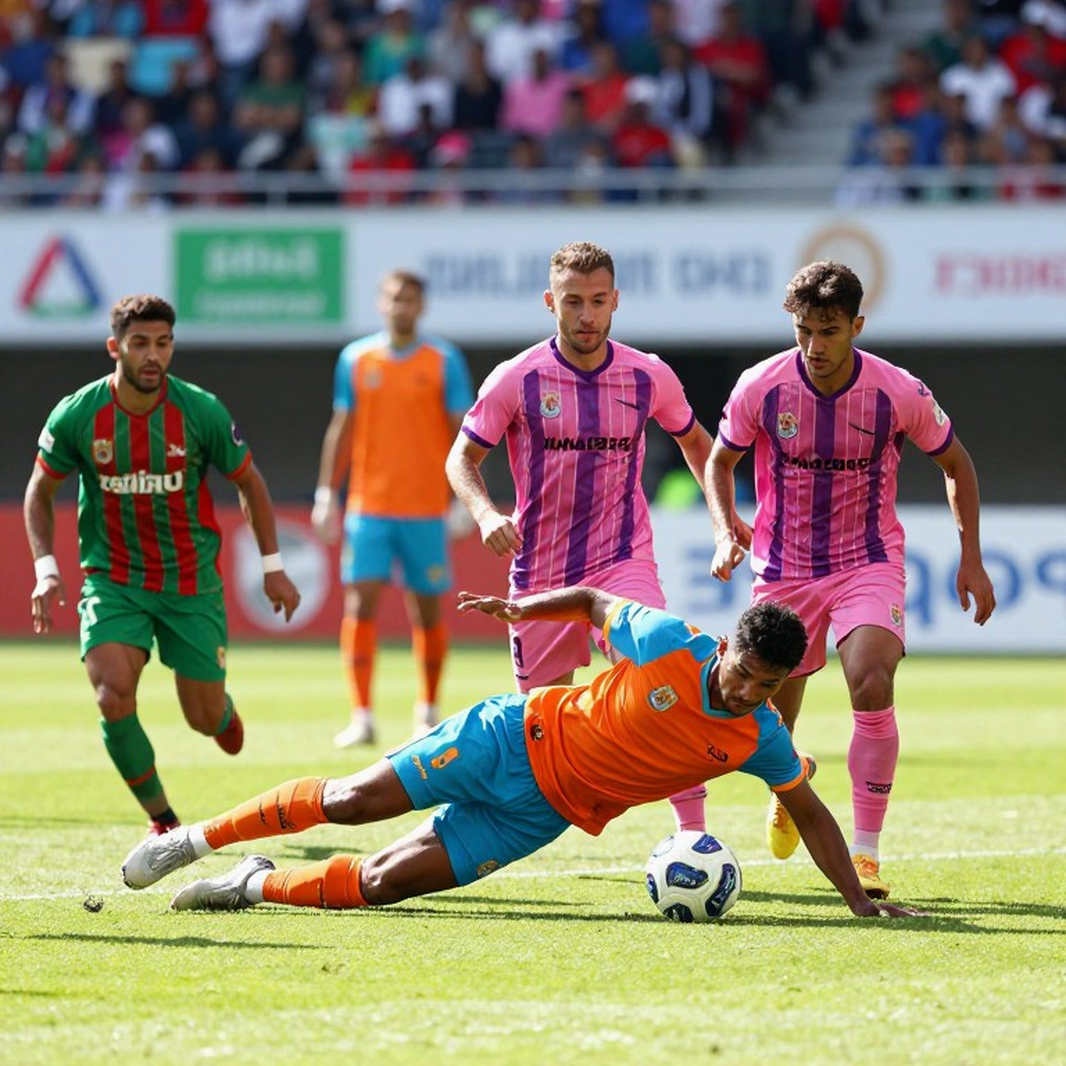
The structure of the two defeats is actually different, and that difference is the true centre of the analysis. Nigeria's defeat was structural. Goals at 15', 66' and in injury time — the opponent scored in three separate phases: at the start, midway through the second half, and at the death. That pattern says Nigeria could not impose control across any sustained phase of the ninety minutes. For a top seed, that is abnormal. Failing to keep a clean sheet at home means more than a defensive problem — it signals a crisis of creativity and penetration. The ability to hold the ball and manufacture chances against a compact opponent is missing, a theme that keeps returning in Nigeria's recent qualifying cycles.
Ghana's defeat belongs to a different species — a failure of game management. Leading 2–0 at the thirty-third minute and then conceding three goals between the 37th and first-half stoppage time means the defensive line lost its composure and its shape. Three goals inside a ten-to-twelve-minute window is not random; it is the signature of psychological collapse. Conceding from a penalty acted as the trigger here; the penalty at 37' was followed by another goal at 42' — one event opened the door for the next. In football, this pattern has a name: a cascade.
Let me state one thing clearly, though: this report contains no xG, no PPDA, no possession or shot-count data. So I can tell you when each goal was scored, but I cannot tell you who played better. Making tactical claims without process data means dressing up inference as fact — a mistake I do not make. On my desk, every claim carries a date, a figure and a document type beside it; here there is none, so the inference stays an inference.
What the media's "shock" framing misses is sample size. Each team has played exactly one match. Declaring a crisis or a decline from a single game is statistically immature. The way the media is building a story of African giants humiliated is emotionally fair but analytically incomplete. Ghana's risk is nonetheless higher, because losing from 2–0 lodges in the memory far longer than a straightforward defeat.
The real point is this — the most durable effect of these two results will not be felt on the pitch but in the transfer market. Franculino, Mama Balde, Álvaro Djalo, Badamosi, Omar Colley and Ebrima Colley — those names now go into the notebooks of scouts at Europe's mid-tier leagues. Scoring in a high-visibility upset means visibility, and visibility means agents' phones ringing. For the clubs of Guinea-Bissau and Gambia, this is a dilemma — their stars will leave for bigger clubs, as always. When an underdog wins, it loses its best players almost immediately; that success is really an invitation to another talent raid.
One more thing to keep in mind: after results like this, sack-watch around the coaches usually begins. Neither federation has any excuse left except wins in the next window. Ghana's risk is the greater one — zero points, bottom of the group, with Ivory Coast already three points ahead. Nigeria's damage is currently contained, because they still hold second place; but losing top spot has already rewritten the qualification narrative.
The next qualifying window is decisive for both federations. If Guinea-Bissau win again, their overperformance story becomes permanent, and the rest of the group will prepare for them with a different plan. The question is simple, the answer hard — is a single matchday's upset a new order, or a brief tremor in an old one?